



auto repair warranty insurance made simple for longer-term peace of mind

What it is, and what it isn't

I'm trying to understand coverage that cushions repair bills after the factory warranty runs out. Auto repair warranty insurance is usually a service contract or insurance-backed plan that pays for covered breakdowns. It is not a maintenance plan, and it won't undo neglected care.

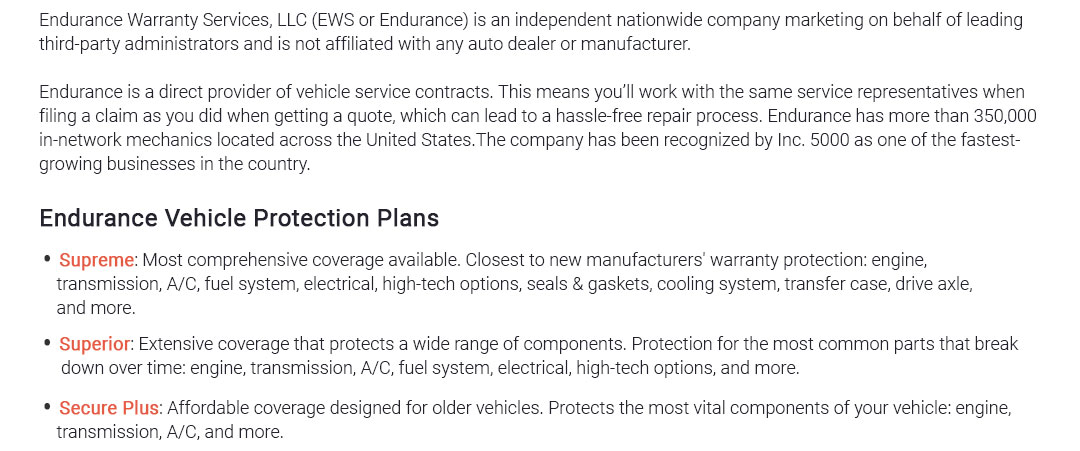
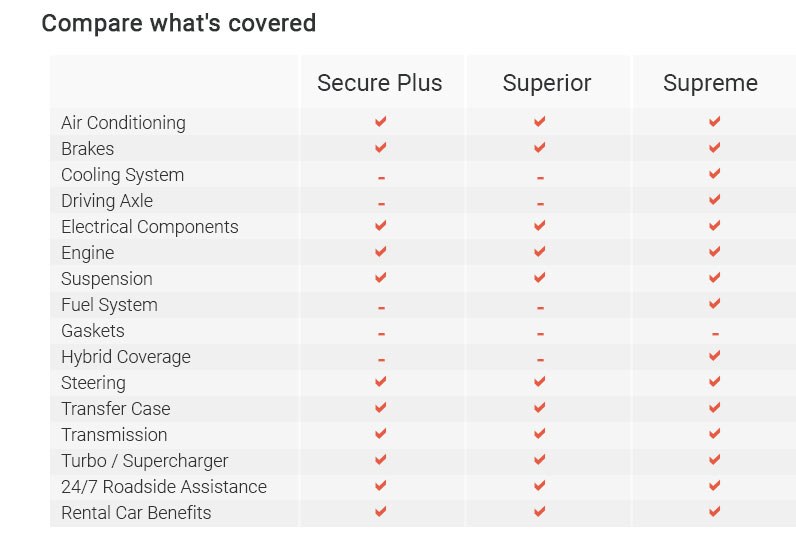
  • Often covered: engine components, transmission parts, drivetrain pieces, major electrical modules, sometimes A/C and cooling systems.
  • Often not covered: routine maintenance, wear items like pads and wipers, cosmetic issues, pre-existing problems, and anything without pre-authorization.

How the process typically works

  1. You choose coverage level, term, and deductible.
  2. There's usually a waiting period and mileage cap.
  3. When a failure happens, you visit a participating shop (or ask if your trusted shop can call in).
  4. The shop diagnoses, calls for pre-authorization, and submits details.
  5. You pay the deductible and any non-covered items; the provider pays the rest up to limits.

I set the phone down for a moment - no rush.

Key terms that shape outcomes

  • Deductible: per-visit or per-component; changes your out-of-pocket math.
  • Labor rate caps: if your shop charges more than the cap, you may owe the difference.
  • Parts type: OEM, remanufactured, or aftermarket; affects quality and availability.
  • Exclusionary vs. stated-component: exclusionary covers everything except listed exclusions; stated lists what's covered.
  • Wear-and-tear vs. sudden breakdown: subtle wording that can decide approvals.
  • Maintenance rules: keep receipts for oil, fluids, belts; they're often required for claims.
  • Claim limits: per-visit, per-repair, and aggregate caps; know all three.
  • Transferability and cancellation: can help resale; refunds are usually pro rata minus fees.

Long-term impact

I care about fewer financial spikes and a predictable car budget. The tradeoff is paying steady premiums and a deductible. Over years, the right plan smooths costs; the wrong one just adds expense. Some drivers self-insure instead - set aside a repair fund and let time work for you.

A simple decision frame

  • Age, mileage, and complexity of the car (luxury and turbo systems can be pricey).
  • Comfort with risk vs. desire for stable payments.
  • Dependence on the car for work or family schedules.
  • Preferred shop: will they work with third-party administrators?
  • Cash reserve size today and in six months.

A quiet real-world moment

On a cold Monday, my alternator died two hours from home. The dash lit up, power steering felt heavy, and I coasted into a gas station. I called the number on the card; the tow was covered to the nearest approved shop. The advisor phoned in the diagnosis, I paid a $100 deductible, and they replaced the alternator by late afternoon. I drove home tired but relieved.

What to verify before you sign

  • Is diagnostic time covered or only with an approved repair?
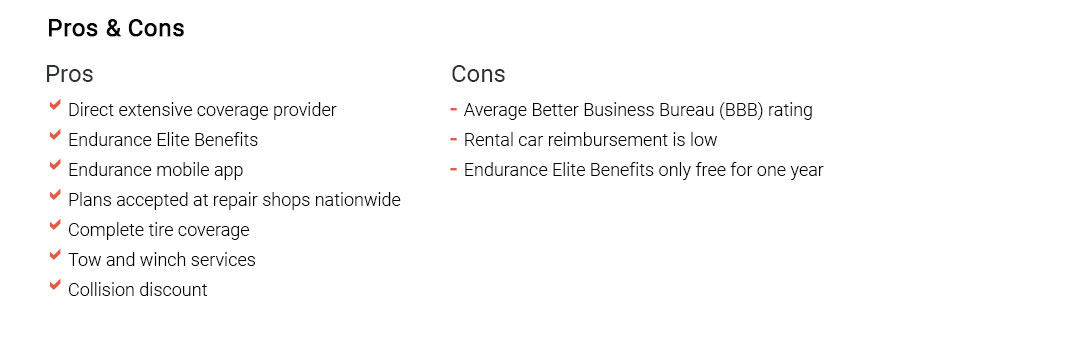
  • Rental car dollar-per-day and total days.
  • Roadside miles and towing limits.
  • Prior authorization process and hours (nights/weekends).
  • Shop choice rules and network size in your area.
  • Taxes, shop supplies, and fluids - covered or not?
  • Seals and gaskets inclusion; they fail often on older cars.
  • Waiting period, pre-existing conditions, and inspection needs.

Habits that improve claim outcomes

  • Save digital and paper maintenance records.
  • Address small leaks early; escalations can look like neglect.
  • Get the pre-authorization number on the RO before work begins.
  • Confirm deductible, labor cap, and any betterment charges in writing.
  • Ask for denial reasons in writing; sometimes a different code or part description matters.

Alternatives you can blend

  • A dedicated repair fund with automatic transfers.
  • Manufacturer extended coverage for newer vehicles.
  • Credit card benefits (towing, rental) as gap-fillers.
  • Membership programs for roadside assistance.

Red flags

  • High-pressure sales or "today only" pricing.
  • Vague "bumper-to-bumper" promises without a sample contract.
  • Unlicensed providers in your state or no clear claims administrator.
  • Arbitration-only clauses in faraway jurisdictions.

Costs and pricing basics

Price varies by make, model, mileage, and coverage depth. Cheaper per month can hide higher deductibles, lower labor caps, or narrow parts rules. Upfront plans may offer discounts; cancellations usually refund the unused portion minus fees.

How to compare fairly

  1. Gather two or three quotes with the same term, mileage, and deductible.
  2. Request the full sample contract; scan exclusions and caps.
  3. Call your preferred shop and ask if they accept that administrator.
  4. Read owner forums for claim experiences, not just purchase reviews.

Closing thought

I'm not chasing a perfect policy, just fewer surprises over the life of the car. If the coverage aligns with how I drive, how I budget, and where I'll get repairs, it's useful. If not, a patient repair fund might be the right quiet answer.

https://consumer.ftc.gov/articles/auto-warranties-and-auto-service-contracts
An auto warranty is a promise to fix certain defects or malfunctions during a specific timeframe after you buy a vehicle.

https://olive.com/
You deserve an affordable vehicle repair plan from a company that has your back. When shopping around for auto breakdown coverage, evaluate the provider by ...

https://cluballiance.aaa.com/automotive/vehicle-warranty
Choose from our different extended warranty plans for vehicles up to 12 years old with up to 175,000 miles. And pay for the AAA Vehicle Protection Plan in one ...


atwratnwm
4.9 stars -1999 reviews